CLIN JOURNAL · September 21, 2026
Developing a Draped Satin Dress from Reference Images
A practical guide to draped satin dress development for designers beginning without a complete tech pack, covering interpreting references, testing drape and recording construction.
Developing a Draped Satin Dress from Reference Images is an important question for designers beginning without a complete tech pack. CLIN Apparel supports dress development and manufacturing in Vietnam, from a single development piece to made-to-measure, small-batch and larger production. A useful answer depends on the actual garment: its silhouette, materials, construction, finishing standard, quantity and delivery market. For this topic, the main considerations are interpreting references, testing drape and recording construction. Reviewing them early helps the client and workshop make clearer technical and commercial decisions.
Start with the product, not only the price
A reliable discussion begins with a sketch, reference garment, tech pack or visual direction. CLIN reviews the intended customer, size reference, target quantity and use of the garment. For draped satin dress development, these details affect pattern work, material consumption, sewing time and the number of review stages. A quotation or timeline becomes more useful after the construction is understood.
Build a clear development reference
The first sample should create information that can be repeated. Measurements, seam placement, internal support, closures, lining, hem finish and visual balance need to be reviewed together. Comments should identify what is correct as well as what must change. CLIN records approved decisions so a revised sample or later production does not depend on memory.
Choose materials with construction in mind
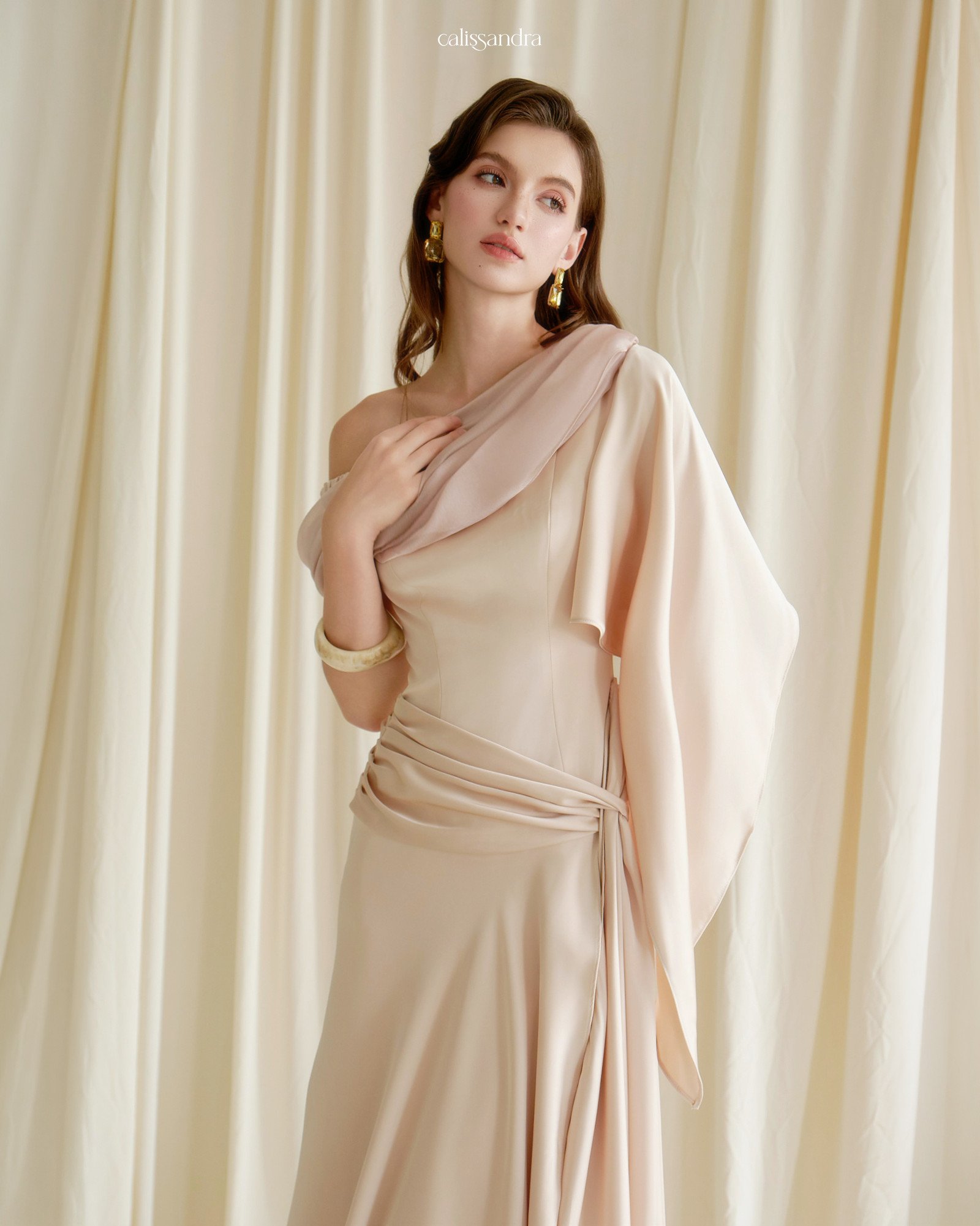
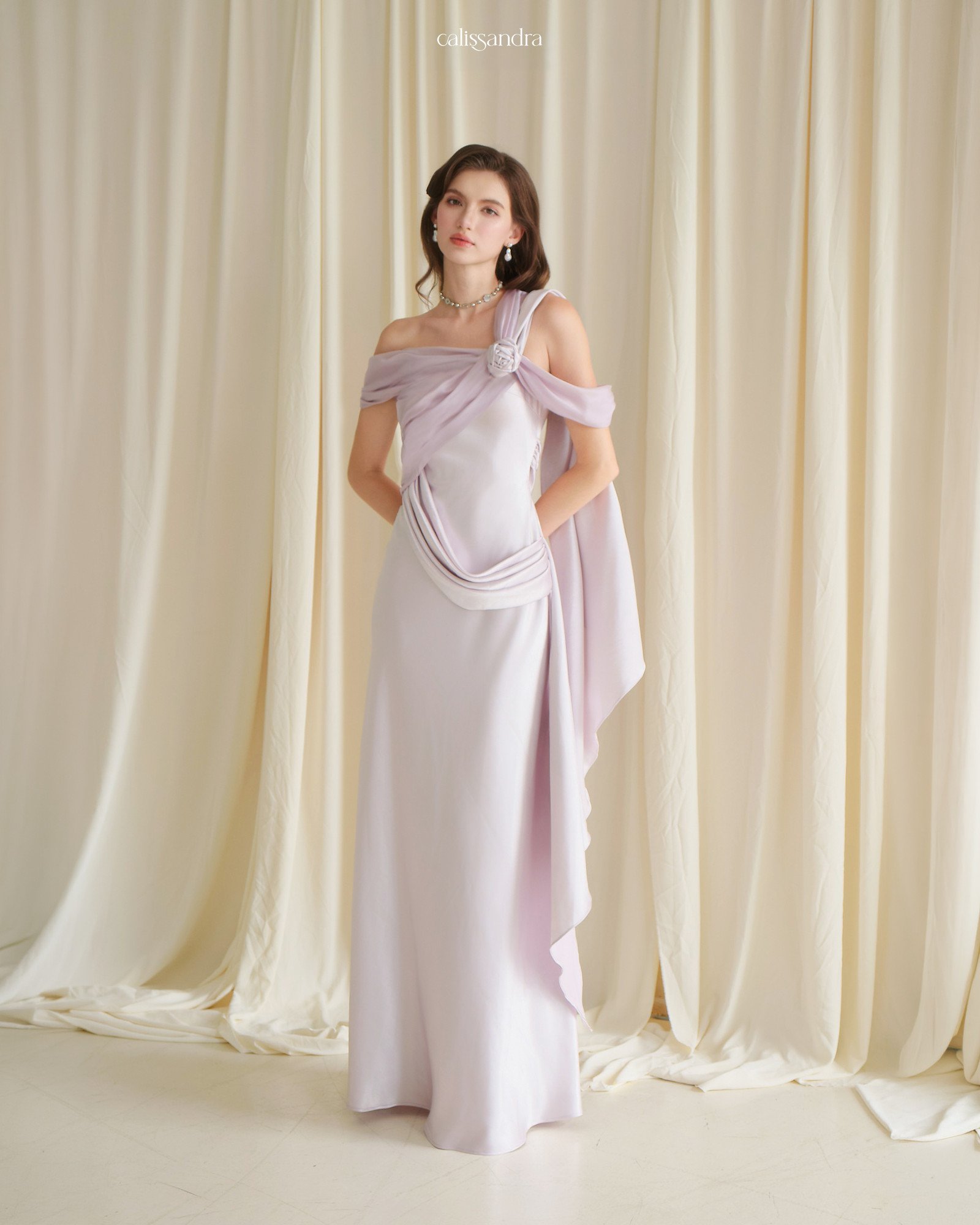
Fabric changes the way a dress hangs, stretches, presses and moves. A lightweight cloth may require lining or stabilisation, while a structured cloth can change ease and seam behaviour. Trims, cups, boning, zippers, lace and embellishment also influence the process. Material choices should therefore support the design and the intended price level.
Plan revisions and approvals
A sample is a decision tool rather than a promise that every detail will be correct at the first attempt. Consolidated feedback, marked photographs, measurements and fitting video make revisions easier to interpret. The client should approve the design, fit, fabric and finishing reference before production planning. Any later change can affect cost and schedule.
Work remotely with a Vietnam studio
International projects can be managed through organised files and written approvals. Name each sample version, keep comments in one document and confirm which measurements apply. Allow time for material sourcing, sample sewing, courier delivery and review. CLIN communicates the next practical step rather than applying one fixed workflow to every style.
Prepare the next step
Send front and back views, measurements or a size chart, fabric direction, quantity range, destination and desired delivery date. Include close references for pleating, draping, corsetry, embroidery or special closures. CLIN can then assess whether the project should begin with material discussion, pattern development, a one-piece sample or production planning.
Learn more about sample development, dress manufacturing, made-to-measure and bridal dress development.
Discuss draped satin dress development with CLIN Apparel
Share your sketch, reference images, measurements, target quantity, destination and timeline through Start a Project. CLIN Apparel will review the available information and suggest the next practical development step.
Email sales@clinapparel.com for dress development and manufacturing enquiries.
September 21, 2026
A Vietnam Dress Project Guide for US, European and Middle Eastern Brands
READ ARTICLE →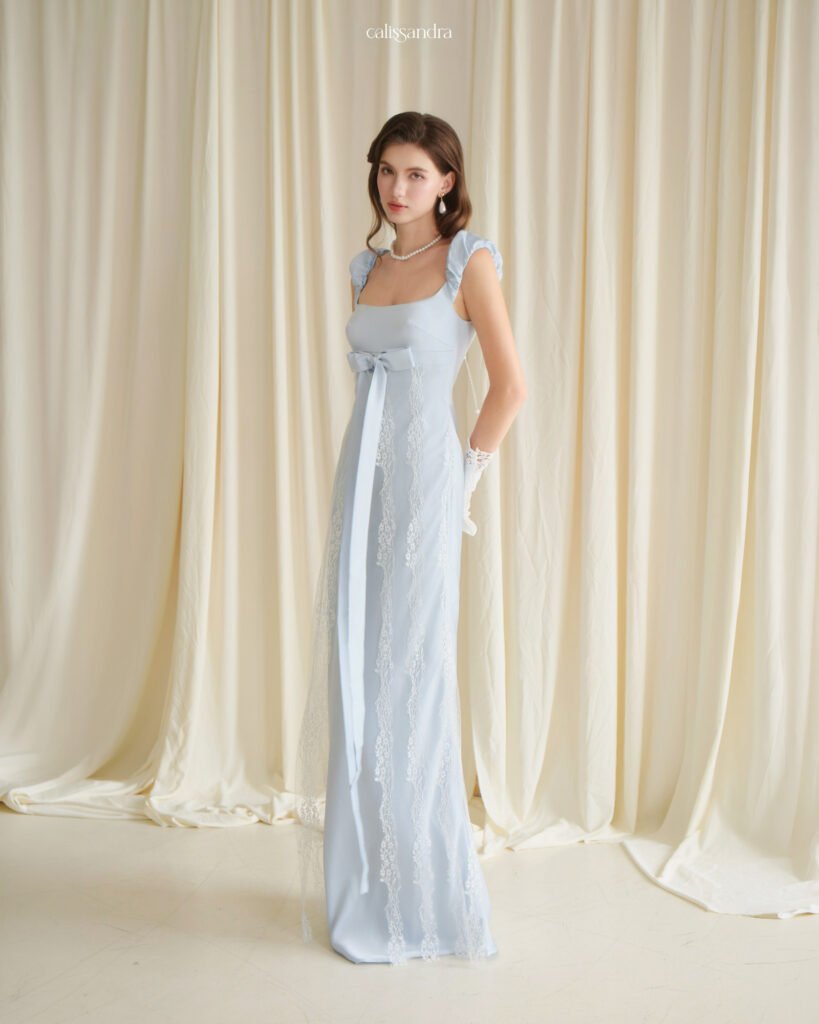
September 21, 2026
From One Dress Sample to a New Brand: Working with CLIN
READ ARTICLE →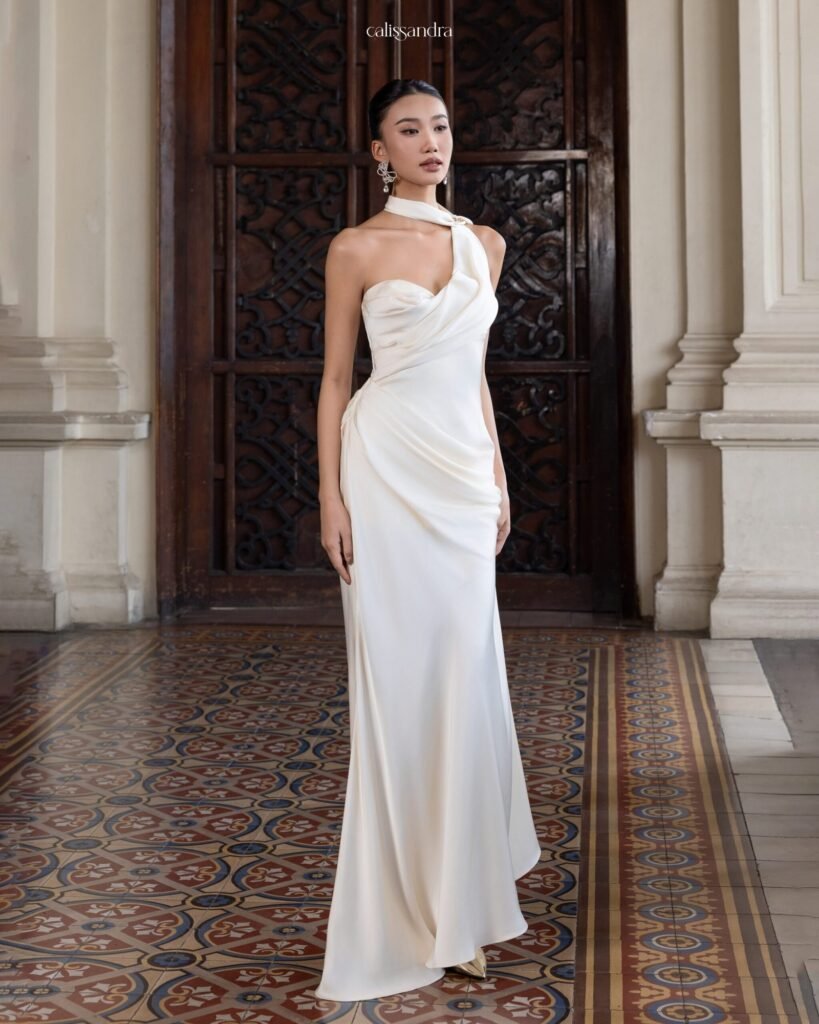
September 21, 2026
Developing Bridal and Evening Dresses with CLIN in Vietnam
READ ARTICLE →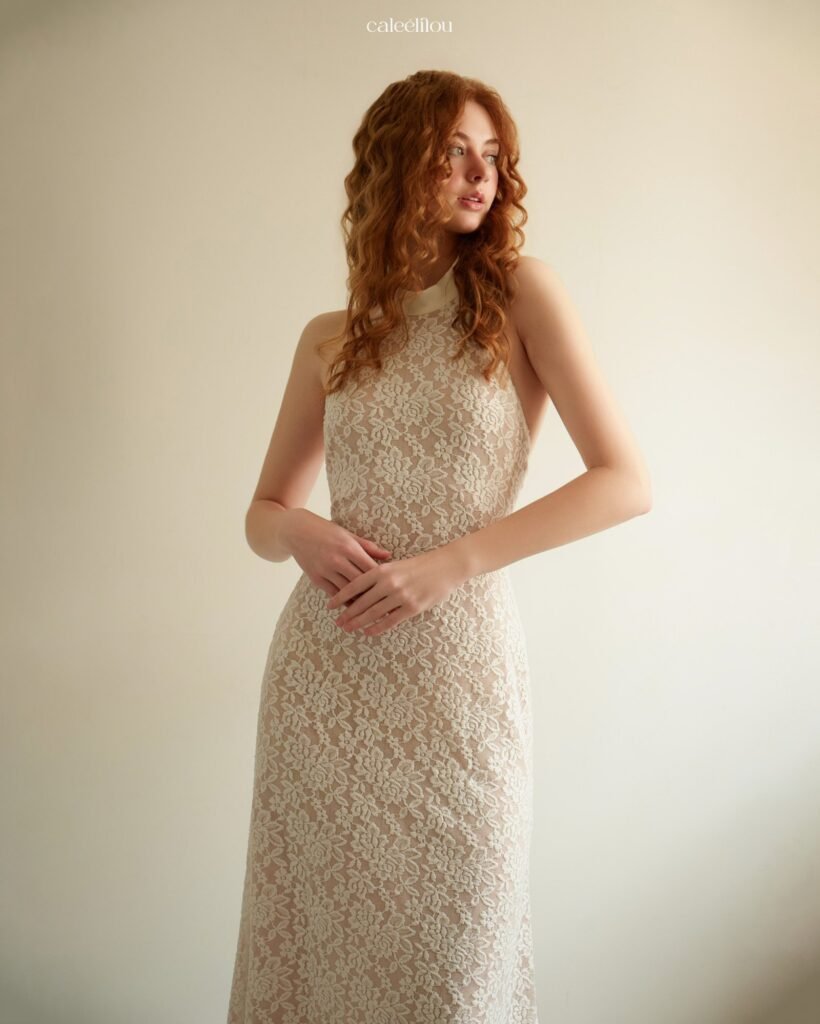
September 21, 2026
CLIN Apparel: A Specialist Dress Manufacturer in Vietnam
READ ARTICLE →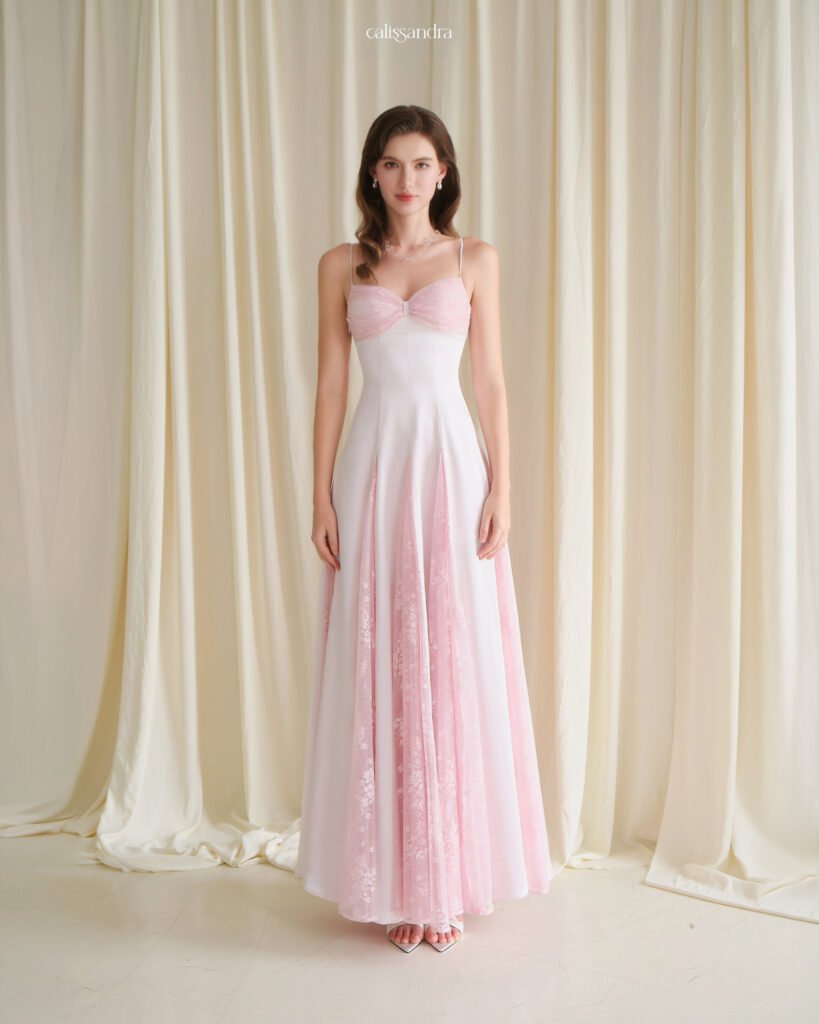
September 21, 2026
Caleelilou Dresses for Celebrations: A Thoughtful Selection Guide
READ ARTICLE →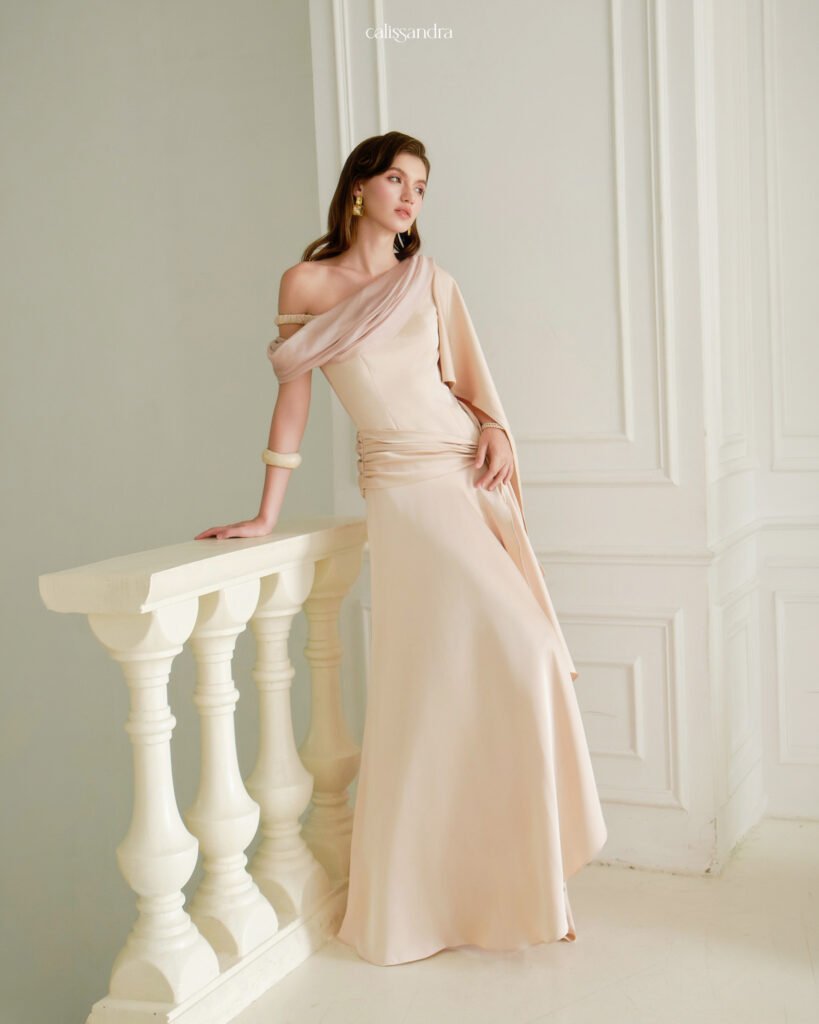
September 21, 2026
Discover Caleelilou: Dresses for a Personal Occasion Wardrobe
READ ARTICLE →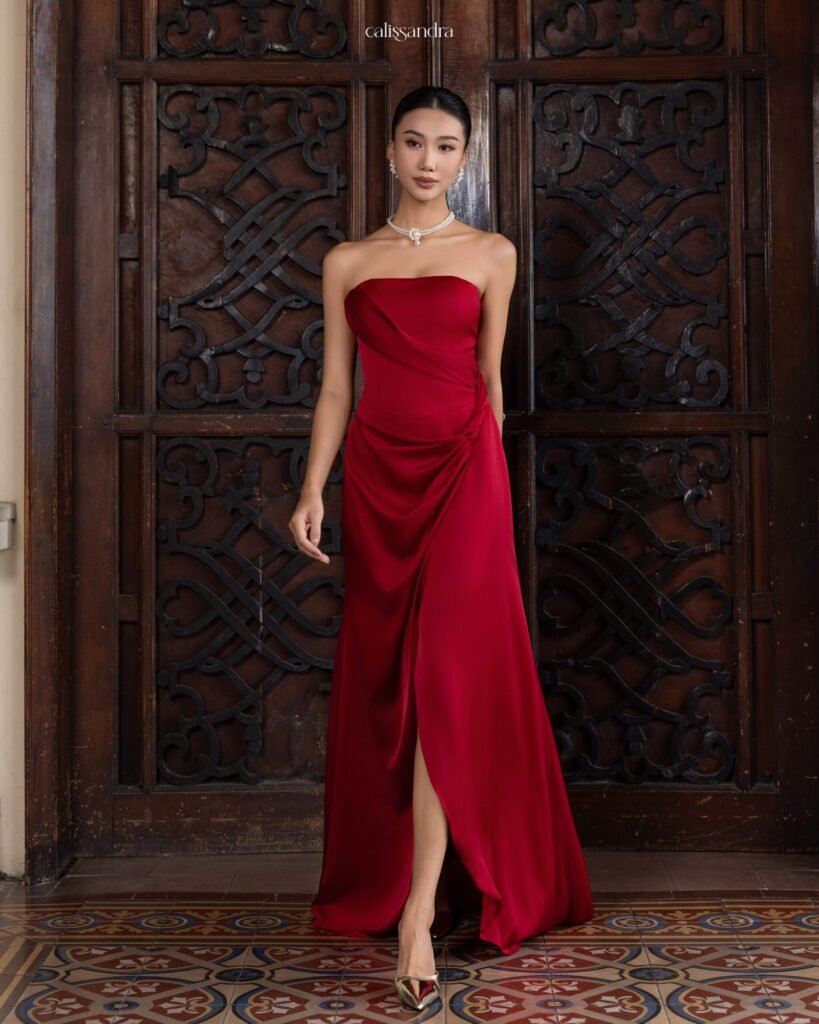
September 21, 2026
Calissandra Occasion Dresses: Choosing for the Event
READ ARTICLE →
September 21, 2026
Calissandra Bridal: Planning a Wedding Dress Wardrobe
READ ARTICLE →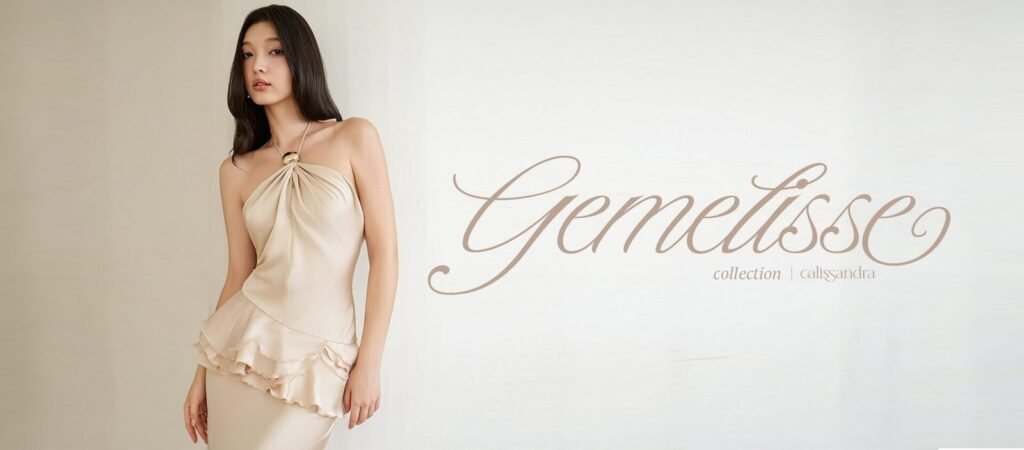
September 21, 2026
Discover Calissandra: Designer Dresses from Vietnam
READ ARTICLE →September 21, 2026
Bridal Dress Structure: Lining, Interlining and Support
READ ARTICLE →September 21, 2026
How International Designers Work Remotely with CLIN Apparel
READ ARTICLE →September 21, 2026
Quality Control Checklist for Dress Production
READ ARTICLE →CONTACT CLIN APPAREL
Develop your next dress with us.
Share your sketch, reference, quantity and timeline. Our Vietnam studio will review the practical next step.